Humble Beginnings
Digital storytelling can be used in lots of ways, as I have discussed in previous blog posts, but one of the most iconic ways to capture digital storytelling is through pictures. Think about it, almost everyone has access to a phone that has a camera attached to it. In our day-to-day lives, we take selfies, screenshots, post pictures on social media, or even send pictures to friends. To know how to tell digital stories, you have to know the basics about pictures. I, like you, take pictures all the time; however, I don’t know the ‘best’ way to take pictures. Today I plan to find out how to get the perfect picture.
Key Takeaways
In my digital storytelling class, which I am taking at the University of Mary Washington, I have already learned a lot about the topic, even though the class just started a couple of weeks ago. In class, we read this article all about photography, and I thought it would be useful to sum up my findings here.
- Take your time!
- Take a breath, breathe, and focus. The world can be very busy, but sometimes taking a moment to center yourself can provide clarity for a picture. Instead of taking a ton of rapid-fire pictures, take a chance to play around with the settings, and try multiple angles; you never know what taking your time will provide for you.
- The best camera can provide the greatest captures.
- If it is available to you, try getting the best camera possible. That does not mean to go out and buy the most expensive camera ever. It could rather mean asking your friend who has a better phone than you if you can use their phone to take the picture, or possibly renting a camera out from a library or other resource. Even if you can not get a nice camera, there are still plenty of high-quality photo editing apps that you can use to enhance your photo.
- Use your surroundings to your advantage.
- When taking photos, there is usually one subject that you have in mind to highlight the capturing of the photo, but when you look around you, there are other things than just your main subject. Use those to your advantage. It sounds counterintuitive when you want your focus just ot be on the one thing, but having a secondary item in the background can help to enhance your overall photo.
Exploration Continued
What is Visual Literacy?
I have found that visual literacy is knowing your way around all types of media to be able to fully enhance your digital storytelling experience. Knowing what type of method of digital storytelling to use when is the best for executing the perfect story for your reader. Digital literacy is not only knowing when to use what method, but also how to read digital media. Being able to read pictures, videos, and graphs just like you would read a book. To create digital media, you must be able to understand it first.
The Story Behind the Migrant Mother
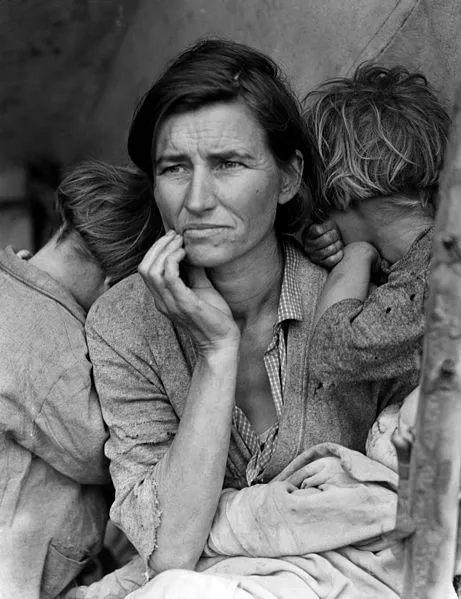
Some of the TED Talks and my analysis of them already touched on this, but digital storytelling can really make a difference as well as an impact. The picture of the migrant mother is a prime example of this. Chances are, you have probably seen this image already at some point in your life because of how widespread it is. This picture had such an impact on people and showing them how bad it was for people in the great depression. With the power of digital storytelling, Dorothea Lange was able to shed light on communities that were struggling to help others see how much help they needed.
Personal Picture Experiences In Action!

This picture was taken on September 9th, 2025, and is of Campus Programming Bingo, which I am the chair of. This particular week was LEGO bingo, which was… very popular. It was the largest number of people that I had ever seen in that room! I was so excited to capture the moment that I did not even think about slowing down and stopping. As a result, I did capture the moment, but it is one of the poorest images of it ever. Ellie, who is calling on stage, looks like she is about to explode in a blaze of fire while the ceiling falls from above her because of the lightning.

Now for something a little bit different. This picture was taken before that picture during the first bingo, where we hosted over 350 students in Chandler Ballroom. It was a back-to-school essential to help with student success! This picture has a significantly better lighting situation, but the angle could be miles better. My water bottle in frame on the podium is distracting and irrelevant to the scene, and is hurting the picture rather than helping. Once again, I was too excited to take the picture that I didn’t focus on something like another angle.

Finally, with this last image, I was driving home from work, about to turn around, when I looked out my window and nearly slammed on the brakes. The UMW belltower is an iconic symbol for me as I get to see it every day, but I have never in my time here seen it with a rainbow. On this particular day, the weather was perfect even though it had just finished storming, and the space around me was so quiet. It made me take my time with this shot. I wanted to capture the image perfectly. With this picture having other subjects, it helps to enhance this photo rather than hinder it. The green of the shrubbery gives the tan of the bell tower a chance to pop out more, followed by the lovely background of the rainbow makes for a complete picture.
Closing thoughts
Digital storytelling is a powerful resource that is important not only to know how to read but to be able to execute as well. The possibilities are endless for all the diffrent things you can try, audiences you can tell stories to, and challenges to face. The most important thing is that you try! I encourage you to try a couple of the techniques that I went over and implement them into your own photography. Feel free to ask questions or talk about your experience below. in the comments. I would love to hear from you! At the end of the day, we are all trying things for the first time.
Thank you for coming along with me!
Leave a Reply